Māori Fashion Designers Transform Textile Waste into Cultural Expression at SX2026
Four Māori designers from Aotearoa New Zealand showcase zero-waste fashion, traditional storytelling, and circular design at Sustainability Expo 2026 in Bangkok.
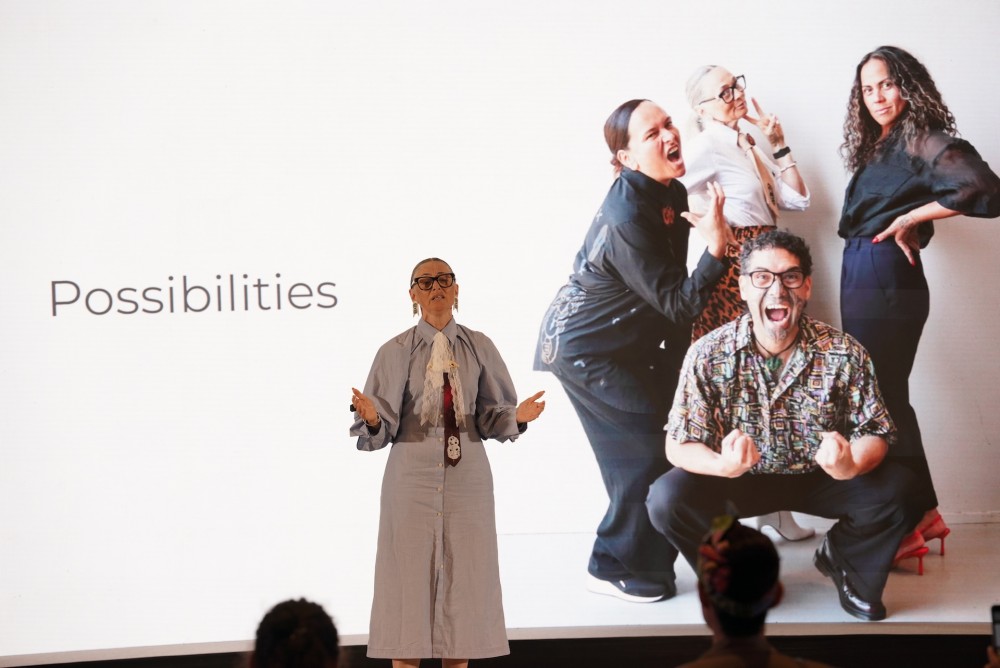
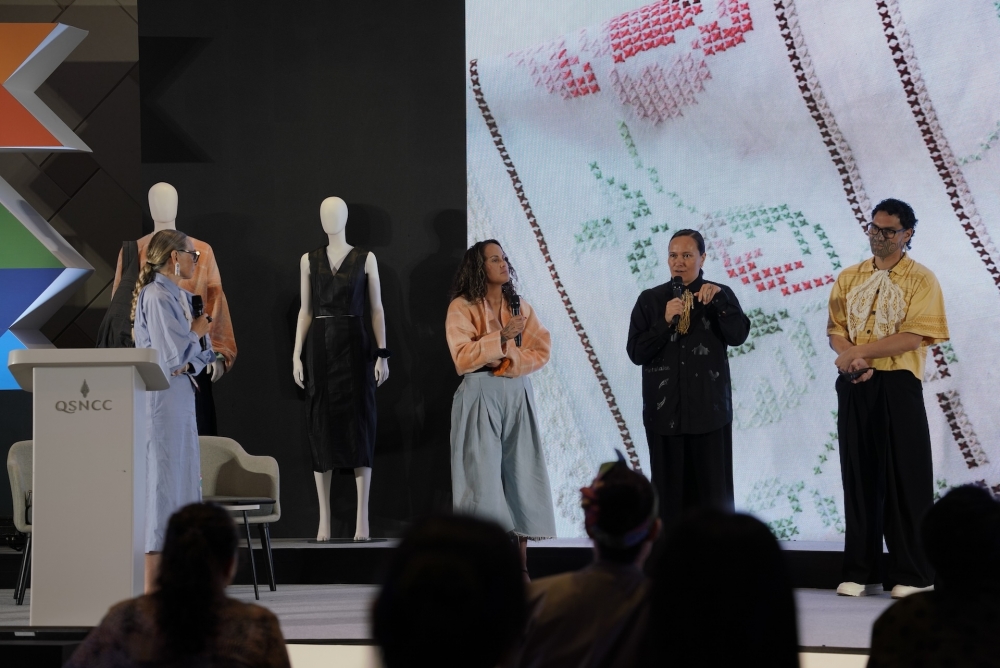 Against the backdrop of global fashion’s massive environmental footprint, four Indigenous Māori designers from Aotearoa New Zealand took the stage on Saturday at the SX Global Forum, part of Sustainability Expo 2026 (SX2026) at the Queen Sirikit National Convention Center.
Titled “REMADE WITH PURPOSE: Indigenous Perspectives on Fashion and Sustainability,” the session reframed global textile pollution—which generates 132 million tons of waste annually—not merely as an ecological crisis, but as an opportunity to re-evaluate how human culture, responsibility, and materials intersect.
Kinship Over Commodity
The delegation brought a distinct indigenous framework to the conversation around circular economy. Through traditional Māori concepts—such as kaitiakitanga (guardianship over the environment), whakapapa (genealogical connections linking people, land, and objects), and mauri (the intrinsic life essence present in materials)—the designers challenged conventional industry paradigms.
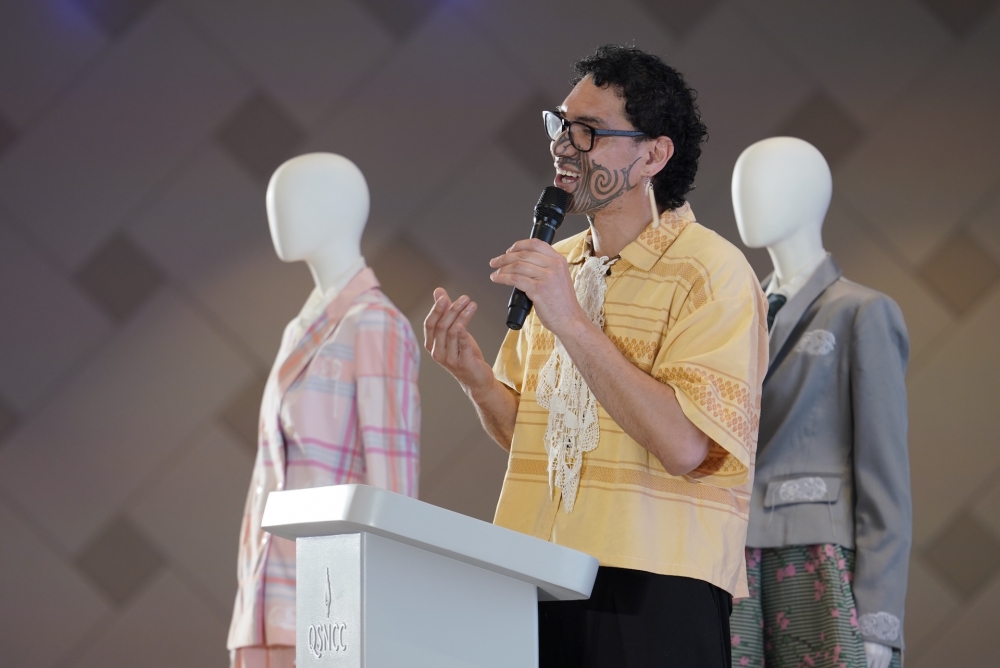
"When we think about environmental damage in fashion, our relationship with materials must move beyond corporate terms like circularity and recycling toward deeper indigenous frameworks," said designer Te Orihau Karaitiana, founder of MATU Clothing. Karaitiana’s practice utilizes zero-waste pattern cutting and repurposed domestic linens—such as vintage coffee-stained tablecloths and embroidered doilies—turning discarded textiles into high-fashion garments. "It's about viewing waste not as assets to be exploited, but as reliquaries and gifts to be protected."
For Kōhi Woodman, founder of the label Kōki based in rural Kaikohe, upcycling is a personal, community-centered process of reconstruction. Woodman deconstructs discarded garments, including pre-loved denim jackets and leather pieces, into contemporary collections. "Clothing carries identity, belonging, and connection," Woodman shared. "It isn't about hiding every mark or making an old garment look brand new. The evidence of what a garment used to be is often its most compelling detail."
The Thailand Connection
The dialogue highlighted strong regional and cross-cultural synergies with Thailand. Creative Director Nichola Te Kiri of NTKMADE/ARA presented her Tawharau collection, revealing that several pieces originated from garments sourced directly in Thailand’s vibrant second-hand markets, such as Chatuchak Market in Bangkok.
"Relationships are at the core of indigenous design," Te Kiri noted. "We aren't simply remaking garments; we are reclaiming materials, expressing identity, and creating space for our stories to be seen."
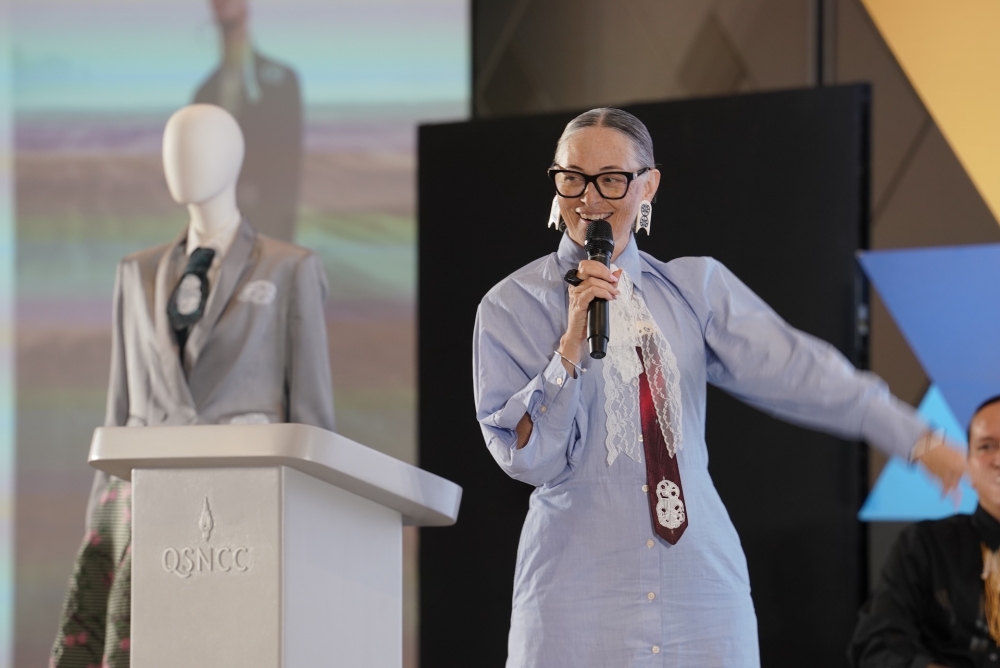
The presentation extended into practical applications of sustainable styling led by Tuihana Ohia, founder of TUIHANA. Ohia demonstrated how layering, creative pairing, and repurposing men’s vintage suiting can extend the lifespan of garments while empowering individuals to reconnect with their identity.
The interactive session featured a live collaborative demonstration where the designers unpicked, reconstructed, zero-waste cut, and styled discarded garments live on stage. As Thailand continues to build momentum around circular economy initiatives, the session offered the attendees concrete evidence that cultural heritage and ancestral wisdom can serve as crucial blueprints for the future of global high fashion.
Sustainable Expo 2026, SX2026 Bangkok, Māori fashion designers, circular fashion, upcycled clothing, sustainable style, Aotearoa New Zealand fashion, textile waste solutions.